Because Teaching Chemistry is Hard Enough Without Reinventing the Wheel
Teaching is one of the most rewarding careers out there—but let’s be honest, it’s also one of the most demanding. As teachers, we juggle lesson planning, grading, classroom management, and the never-ending quest to keep students engaged.
And if you’re a chemistry teacher, that list gets even longer. Between setting up (and cleaning up) labs, ensuring safety, hunting down chemicals that won’t break the budget, and explaining stoichiometry for the tenth time in new and creative ways, our plates are full.
And let’s not forget the biggest challenge of all: time.

No Time for Basics, Let Alone Extras
If you’ve ever spent your prep period frantically grading quizzes, setting up a titration lab, and realizing you still need a worksheet for tomorrow’s lesson, you’re not alone. Creating quality chemistry teaching resources—quizzes, tests, worksheets, and labs that actually align with what you’re teaching—takes time. And we all know that’s something teachers never seem to have enough of.
That’s where this blog comes in.

Choosing What to Teach (Because We’ll Never Finish the Whole Book)
One of the biggest struggles in chemistry education is deciding what to focus on. Chemistry is massive—there’s no way we can cover every single topic in depth, especially when we also need to reteach basic math skills (I see you, struggling dimensional analysis students). So, how do we decide what’s most important? How do we make sure our students get a strong foundation in chemistry without drowning in content overload?
Again, that’s why this blog exists.
Your Shortcut to Chemistry Teaching Success
This site is designed to be your go-to resource for practical, ready-to-use materials that will make your life easier and improve student outcomes. Here’s what you can expect:
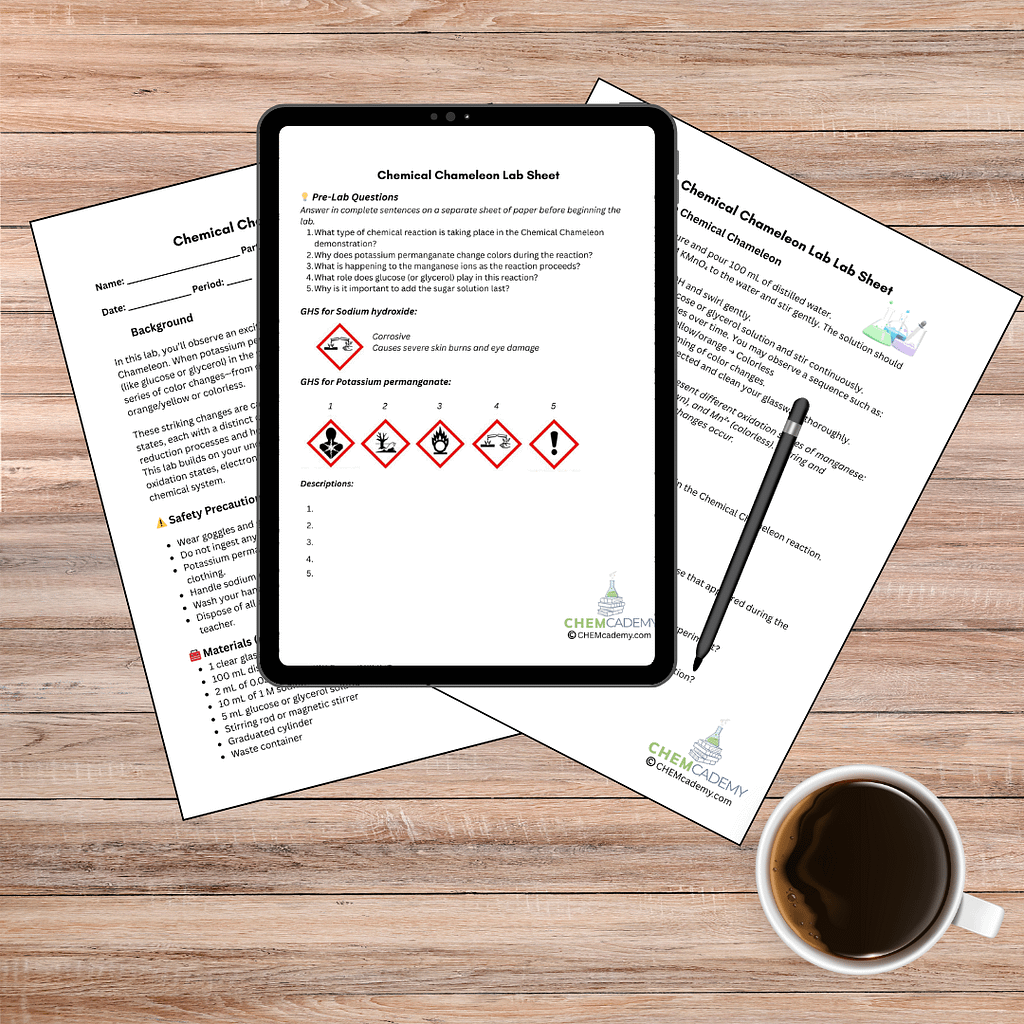
- Time-saving resources: You shouldn’t have to spend hours creating materials from scratch. This blog will offer free worksheets, quizzes, and lab ideas, as well as additional ready-to-use chemistry teaching resources available for purchase on the CHEMcademy Etsy shop—because sometimes, having a high-quality, done-for-you lesson is worth every penny! Whether you need a last-minute quiz, a full unit assessment, or a lab that works with the equipment you actually have, you’ll find tools here to lighten your workload.
- Tips and strategies: Teaching chemistry isn’t just about delivering content—it’s about making it stick. This blog will share engagement strategies, classroom management tips, and ways to adapt lessons for different learners. From interactive demonstrations to digital tools, we’ll cover techniques that help students grasp abstract concepts and retain information long-term. Whether you’re dealing with students who struggle with math-based chemistry problems, need ways to make labs meaningful, or want ideas to spark curiosity in your lessons, you’ll find practical, classroom-ready solutions here.
- Curriculum help: Let’s be real—you will never make it through the entire textbook. And that’s okay! The key is deciding what’s most important. This blog will help you focus on core concepts, ensuring students develop a strong foundation rather than just skimming the surface of every topic. We’ll talk about how to streamline your curriculum, what topics to spend more time on, and what you can cut or condense without sacrificing student understanding. Plus, we’ll discuss how to reinforce critical thinking and problem-solving skills—because memorizing the periodic table is one thing, but knowing how to apply chemistry in real life is what really matters.
- Classroom-tested ideas: You don’t need theory; you need things that work. Everything shared on this blog has been tested in real classrooms by teachers who have faced the same challenges you do. We’ll cover creative lab ideas, interactive activities, assessment techniques, and differentiation strategies that have actually helped students succeed. You’ll also find ideas and chemistry teaching resources for managing lab safety, dealing with students who “just don’t get it,” and making sure your demonstrations don’t turn into unintentional explosions (we’ve all been there).
So, whether you’re a new teacher figuring out where to start, a veteran looking for fresh ideas, or a homeschool educator navigating chemistry without a full lab setup, this blog is for you!
Welcome aboard, and happy teaching!